Unearthing Integrity: The Significance of Foundation Piling in Civil Engineering


In the domain of building, the stability of a structure is essential, and this starts with a solid foundation. Piling foundations play a crucial role in guaranteeing that edifices can endure diverse soil types and substantial loads. As building projects expand in complexity and scale, grasping the importance of piling gets crucial for engineers, architects, and builders alike. This piece seeks to demystify piling foundations, investigating their varieties, benefits, and the techniques driving their use in modern construction.
From sprawling high-rises to oceanfront structures, piling foundations provide the necessary foundation that allows these buildings to rise steadily, even in difficult environments. Whether you're an entrant to the field or aiming to enhance your expertise, this detailed guide will clarify the fundamental ideas of piling foundations, their installation procedures, and the critical factors that influence their design and application. Participate us as we delve into the details of this essential aspect of construction and discover why proper foundation techniques can mean the distinction between a solid building and one at risk of failure.
Comprehending Pile Foundations
Pile foundations are specific deep foundation systems used to transfer loads from buildings down to reliable soil or rock layers beneath poor surface soils. They are made of long, slender piles made from compositions such as concrete or composite that are driven or excavated into the ground. This approach is essential in areas with poor soil conditions or where surface firmness cannot bear considerable weight. By utilizing https://caspersen-pape.hubstack.net/from-soil-to-structure-the-role-of-pile-foundations , engineers can guarantee that edifices and other structures continue to be stable, regardless of the obstacles posed by the surrounding ground.
The significance of piling foundations lies in their capability to improve structural integrity, especially when erecting large structures, bridges, or other substantial infrastructures. They facilitate for the distribution of significant loads over a wider area, effectively stopping structural settlement or failure. Piling techniques are adapted to the specific soil conditions and project requirements, making sure that each foundation method is refined for its intended use, thereby prolonging the lifespan of the structure it holds up.
Comprehending how piling foundations function also entails recognizing the various types on the market, such as driven piles and bored piles. Driven piles are precast concrete or steel piles that are driven into the ground, while bored piles are developed by boring holes into the ground and then filling them with concrete. Each method has specific advantages and is chosen based on factors like earth type, depth, and loading needs. As construction technology evolves, new innovations continue to improve the effectiveness and efficiency of piling foundations, making them a go-to solution in modern construction.
Types and Benefits of Piling
There is a variety of multiple types of piling foundations, each designed to accommodate diverse soil conditions and structural requirements. The typical types consist of driven piles, which are driven into the ground using a pile driver; bored piles, which are drilled into the ground; and piles that are screwed, which are screwed into the soil. Additionally, piles can be constructed from different materials such as concrete, steel, or lumber, depending on the requirements of the project and conditions. The choice of pile type is vital, as it directly affects the foundation's capacity to support loads.
The advantages of using piling foundations are numerous, particularly in challenging environments. One significant advantage is their ability to convey significant loads from a structure to lower, more stable soil layers, which is crucial in areas with poor surface soils. This ability not only improves the overall sturdiness of the building but also lessens the likelihood of settlement over time. Furthermore, piling foundations are often more rapid to install compared to traditional methods, enabling the acceleration of the construction process and reduce project timelines.
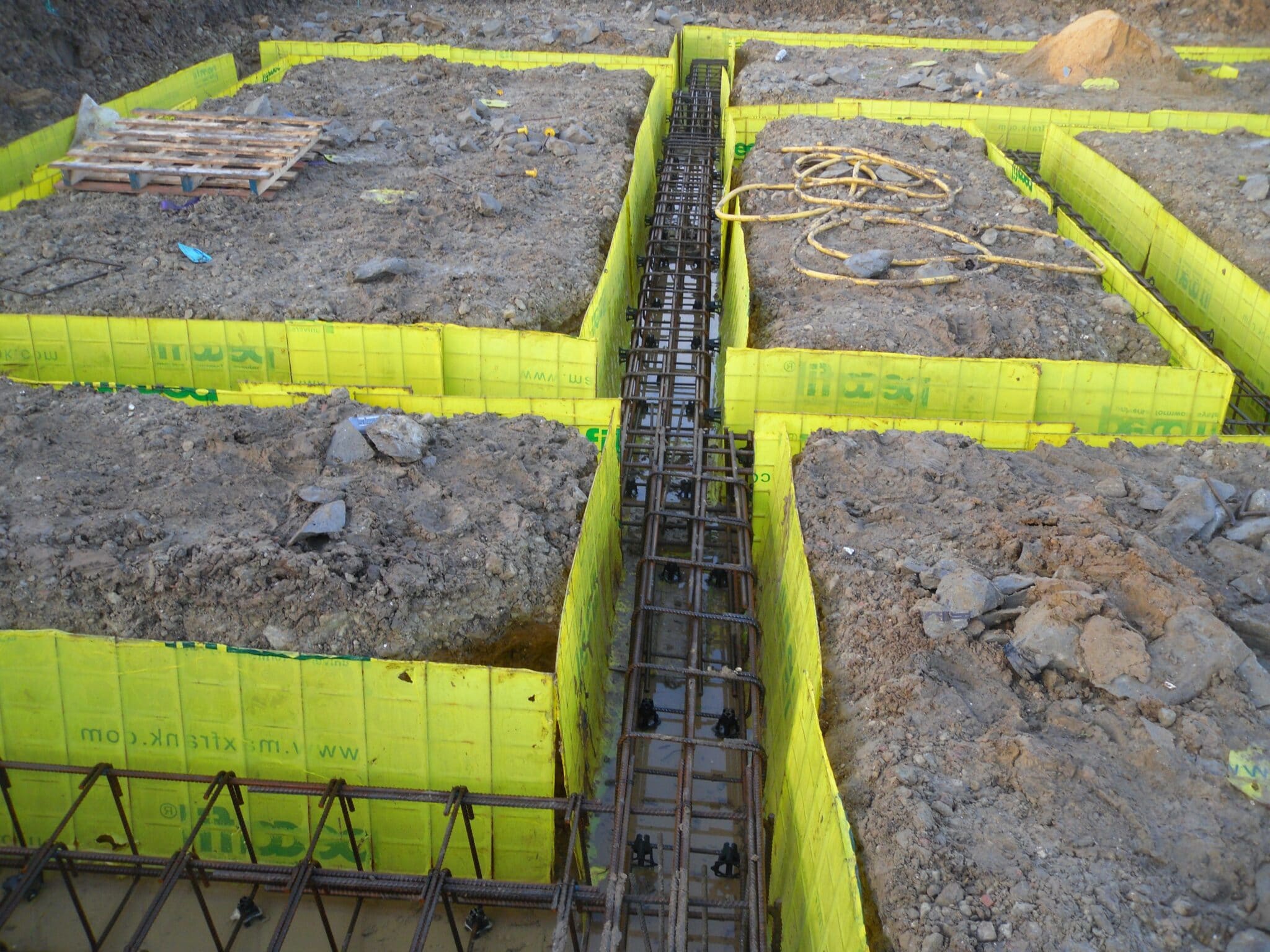
Piling also offers considerable versatility, making it suitable for a variety of projects, from homes to large commercial skyscrapers. In seaside construction, for example, piling foundations can be essential in managing variable water levels and similar challenges. The use of modern piling technologies and innovations has further boosted their effectiveness, providing solutions that are at once durable and eco-friendly. By choosing the right type of piling foundation, builders can ensure their structures are neither stable but also durable against multiple external pressures.
Installation and Advancements in Piling
The setup of piling supports involves a systematic approach to ensure strength and backing for large structures. First, the construction site is prepared, which includes assessment and site cleanup. Depending on the type of piles being used, either impact-driven or drilled piles will be selected. Driven piles are hammered into the ground, while bored piles are removed and filled with cement. Engineers carefully calculate the depth and positioning of each pile to meet the engineering needs, taking into account ground conditions and weight support.
Recent innovations in piling technology have greatly improved the effectiveness and effectiveness of the setup process. For instance, the development of advanced drilling techniques has improved the ability to create accurate boreholes, minimizing vibration and disruption, which is especially helpful in urban areas. Furthermore, the introduction of advanced materials, like composite materials, has allowed for lighter yet stronger piles, which can be simpler to install and manage. Automated systems in pile driving machinery also reduces human labor and enhances security on construction sites.
As ecological issues increase, modern piling methods are also targeting eco-friendliness. New designs prioritize reducing carbon footprints by incorporating recycled materials in pile building. Moreover, continuous advancements in monitoring technology enable real-time tracking of pile performance during and after installation. This analytics-based method helps engineers make informed decisions, improving the durability of the foundation and lengthening the lifespan of the entire structure. These advancements not only simplify the installation process but also contribute to more resilient and eco-friendly construction methods.