Starting with Blueprint through Outstanding: The Path of Building Engineering


Structural engineering is a fascinating discipline that lies at the heart of modern construction, transforming intricate designs into stunningly functional structures and infrastructures. As urban environments change, the role of structural engineers becomes increasingly critical in ensuring that our architectural aspirations are simultaneously safe and sustainable. Whether it's the soaring skyscrapers that define city skylines or the bridges connecting vital pathways, the contributions of structural engineers are key to shaping our built environment.
For those unfamiliar to the subject, understanding structural engineering can be quite illuminating. It encompasses a range of responsibilities, from designing load-bearing walls and beams to innovating earthquake-resistant structures. As we navigate the journey of structural engineering, we will examine not only what this profession entails and how it collaborates with architects but also feature notable successes and innovations that reflect the ingenuity and expertise of structural engineers throughout history. Accompany us as we reveal the captivating developments that continue to drive this field forward and the challenges that lie ahead.
Understanding Structural Engineering
Framework engineering is a vital branch of civil engineering dedicated on creating and assessing structures that resist or resist loads. It involves understanding the dynamics of materials and the stresses acting on various edifices, including overpasses to constructs. Support architects ensure that these developments are safe, long-lasting, and efficient while meeting visual and practical needs set forth by designers and clients.
The role of support professionals extends over just math and creation; they coordinate together with designers to conceptualize creative designs that are safely viable. This partnership is crucial for turning artistic concepts into realistic plans that can be realized under cost constraints and time limitations. Support designers must understand architectural intentions and communicate successfully to tackle complexities that arise throughout the design cycle.
As civilization advances, so too does the field of structural engineering. Innovations in substances, tools, and planning strategies are transforming how frameworks are imagined and built. Including using advanced 3D representation techniques to integrating sustainable habits, support engineers are at the forefront of securing that modern edifices stand the test of time while addressing environmental issues. Understanding the basics of support engineering is crucial for those engaged in the building sector and the growth of facilities.
The Role of Engineers in Structure
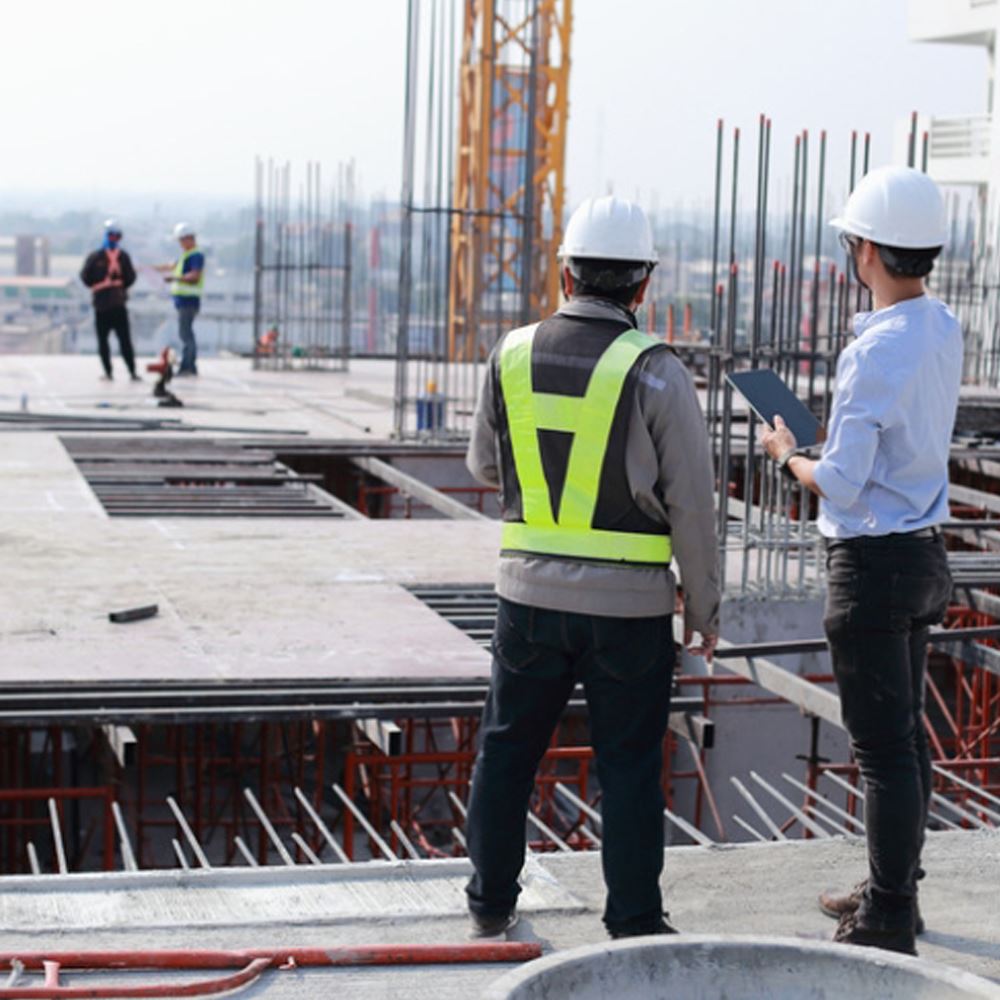
Structural engineers play a crucial role in the construction industry, ensuring that edifices and other projects are safe, steady, and long-lasting. They are responsible for analyzing and designing structural frameworks that can support various forces and environmental conditions. From skyscrapers to bridges, their knowledge is critical in determining the appropriate materials and construction techniques to employ, ensuring that projects not only meet design standards but also adhere to safety regulations.
In collaboration with designers and other professionals, structural engineers create comprehensive plans that include load-bearing walls, beams, and foundations. They perform thorough calculations to evaluate how different forces, such as weight, wind, and seismic activity, will impact structures over their lifespan. Their analysis are vital in preventing structural collapses, safeguarding lives, and maintaining the integrity of infrastructure. This collaboration also involves making adjustments during the design phase to address unforeseen challenges, optimizing the final output for efficiency and cost-efficiency.
As society advances, the role of structural engineers is growing to include a focus on green practices and innovation. They are now tasked with integrating green building practices into their designs, utilizing materials that reduce environmental harm while maintaining structural integrity. Additionally, developments in technology, such as 3D modeling and simulation software, are enabling structural engineers to visualize projects in new ways, enhancing their ability to tackle complex design challenges and improve overall functionality. These developments illustrate the ever-growing importance of structural engineers in designing resilient and sustainable environments.
Innovations and the Prospects of Structural Design
The prospects of structural design is being transformed by cutting-edge innovations that enhance design effectiveness and safety. Technologies like Building Information Modeling (BIM) allow engineers to create detailed digital models of structures, facilitating better collaboration with design teams and enhancing project outcomes. Additionally, advancements in materials science are introducing high-performance and sustainable materials that minimize environmental impact while boosting structural integrity and longevity.
Incorporating intelligent systems into buildings is another development gaining momentum. Structural Engineer Dorking Surrey are now exploring how to embed sensors that track a structure’s health in real time, providing valuable data on stress, vibrations, and potential failure points. This proactive approach not only enables timely maintenance but also improves the safety and durability of structures, thus leading to more secure living and working environments.
As we move towards 2025 and beyond, the focus on sustainability will drive the innovation of eco-friendly construction practices in structural design. Designers are increasingly focused on developing structures that minimize energy usage and leverage renewable resources. This aligns with global efforts to combat climate change and meet regulatory standards. By prioritizing sustainable materials and design techniques, structural design will play a pivotal role in creating a greener future for urban development.