Shattering Common Misconceptions: The Facts About Dental Prosthetics


In today's world, dental prosthetics have become a fundamental aspect of modern dentistry, often serving as an answer for those who have experienced tooth loss. With the rise in demand of implants, misinformation and misconceptions have also spread. Many people still hold incorrect beliefs about dental implants, how they operate, and their overall benefits. This article aims to break down those myths and provide you with the essential truths about dental implants.
Understanding dental implants starts with understanding their role. Unlike dentures, which can be taken out, or bridges that require change of adjacent teeth, dental implants are designed to be a permanent solution for tooth loss. They offer support and longevity while at the same time enhancing an individual's quality of life. As we explore the intricacies of dental implants, from their methods to post-surgery care, you will gain insights into the factors influencing patient preference for this cutting-edge dental option.
Grasping Dental Implants
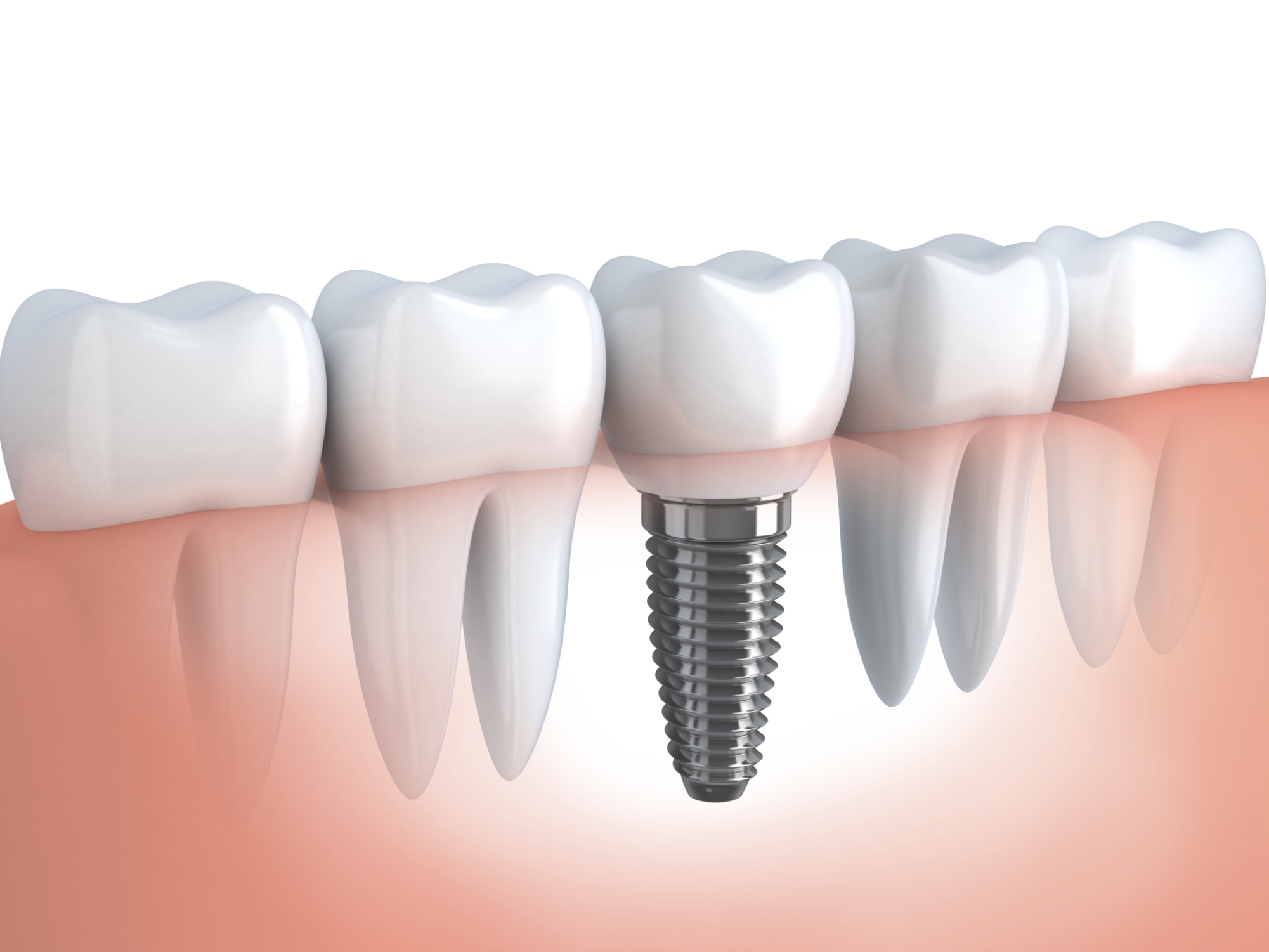
Tooth implants are groundbreaking solutions crafted to substitute missing teeth, delivering a strong foundation and restoring functionality to the mouth. They consist of two main components: a titanium post that is medically embedded into the jawbone and an artificial tooth, known as a crown, which is placed on the upper part of the post. This two-part structure resembles the natural tooth’s root and crown, allowing for enhanced aesthetic appearance and increased biting power.
One of the key benefits of dental implants is their ability to fuse with the jawbone in a process called osseointegration. This integration not only fastens the implant in place but also helps maintain the integrity of the jawbone, halting the bone loss that often occurs after tooth loss. Unlike https://ladefoged-jespersen.mdwrite.net/shattering-common-misconceptions-the-reality-about-tooth-implants , which can slip and cause discomfort, dental implants provide a stable, long-lasting solution that closely looks like the function and appearance of natural teeth.
Understanding the various components of dental implants is essential for anyone thinking about this treatment. The procedure typically starts with a consultation to check the patient's oral health and suitability for implants. Factors such as bone density, overall health, and lifestyle habits will influence the success of the procedure and whether additional treatments, like bone grafting, might be necessary to bolster the implant.
Benefits and Factors
Implants offer many benefits that make them a favored choice for replacing teeth. One of the main benefits is their ability to accurately replicate the function and look of real teeth. Unlike dentures, which can slip and affect speech and eating, implants are securely fixed into the bone of the jaw, providing a stable and long-lasting option. This stability allows for improved comfort and enhanced self-assurance when consuming food or speaking, making it easier for individuals to return to their regular routines free from fear of tooth loss.
However, there are key considerations to keep in mind when opting for dental implants. The process requires a medical component and may involve additional steps like bone grafting if there is insufficient jawbone to hold the implant. Potential patients should also consider their general dental condition and personal habits that may impact healing, such as smoking or ongoing health issues. It is crucial to have detailed discussions with a dental expert to evaluate individual circumstances and determine the best plan of action.
Pricing is another significant factor when considering dental implants. While they can be costlier initially compared to other options like false teeth or dental bridges, their longevity and low maintenance needs often make them a more economical choice in the long term. Patients should review financial options and treatments with their dentists to find a solution that fits their budget while ensuring they receive the quality of care required for a successful implant experience.
Attention and Long-Term Results
To ensure the sustained effectiveness of your dental implants, proper dental health is essential. This includes brushing your dentition at least a minimum of two a day with a tooth strengthening toothpaste, using dental floss daily, and applying an antiseptic mouthwash to lower plaque buildup. Regular dental examinations and professional hygiene visits are crucial as well, as your dental professional can monitor the health of the implants and surrounding gums, addressing any potential issues before they escalate.
In addition to maintaining good mouth health, it is essential to avoid habits that could jeopardize the stability of your implants. Steering clear of smoking and excessive drinking can significantly increase the success rate of dental implants. These substances can hinder healing and increase the risk of implant failure. It's also recommended to avoid grinding your teeth or utilizing your teeth as instruments, as this can place undue stress on implants.
Lastly, staying mindful of your general well-being and any medical issues that may affect your dental implants is crucial. Conditions such as diabetes or bone density issues can influence healing and implant stability. If you have any such conditions, working together with your doctor and dentist can help address these concerns efficiently. With the right attention and attention, your dental implants can provide lasting assistance for your smile and overall mouth health.