Preparing Meals with Heat: Tasty Dishes for Your Wood Burning Stove


There's a certain charm fascinating in cooking on a wood burning stove that evokes feelings of nostalgia and link to the past. Such classic cooking appliances not only offer warmth and ambiance to your home while also present a unique way to prepare delicious meals. Envision the aroma of freshly baked bread or a hearty stew simmering away, infused with the natural flavors from seasoned wood. In an era in which modern conveniences sometimes distract from traditional methods, cooking on a wood burning stove is a remarkable comeback.
Here will guide you through the delightful world of cooking with flames, showcasing dishes that highlight the versatility of the wood burning stove. You'll discover tips for ensuring safety and efficiency, the best woods to use for cooking, and how to maintain your stove for years of flavorful meals. Whether you are a seasoned chef or a beginner looking to explore this forgotten art, join us in rekindling the passion for wood burning stoves and uncover all delicious possibilities they offer.
Benefits of Woodburning Stoves
Wood-burning stoves offer a range of benefits that appeal to property owners seeking both effectiveness and comfort. One of the primary advantages is their ability to provide remarkable heat output, making them ideal for heating larger spaces or entire dwellings. Unlike gas-fired stoves, wood burning stoves utilize a renewable source of fuel, allowing for a renewable heating solution. This can be particularly beneficial in remote areas where access to firewood is plentiful, enabling homeowners to reduce their reliance on fossil fuels.
Another significant benefit is the aesthetic that a wood burning stove creates. The charm of a hissing fire adds warmth and coziness to any living space, enhancing the overall mood of a house. Many people find the sight and sound of a firewood fire calming and nostalgic, contributing to a more welcoming environment for family gatherings or quiet evenings. This aesthetic appeal can also raise the overall value of a home, making it a valuable asset in addition to its functional purpose.
Moreover, woodburning stoves are often more economical in the long run compared to traditional heating technologies. While the initial price might seem higher, the cost of firewood can be more affordable than that of natural gas or electricity in many areas. Additionally, with routine upkeep and proper operation, the long-term life span of woodburning stoves can result in fewer repairs, leading to substantial savings over time. These factors combined make woodburning stoves a sensible choice for households looking to enhance their heating methods.
Selecting and Installing Your Stove
When picking a wood heat-producing stove, it is essential to think about the size and layout of your area. A correctly sized stove will guarantee effective heating without overwhelming the room. Measure the area size of the area you want to heat, and refer to brand specifications to get a stove that matches your needs. Additionally, consider https://posteezy.com/style-combines-utility-designing-your-space-around-wood-burning-stove , which indicates its thermal capacity, to ensure it will sufficiently warm your home.
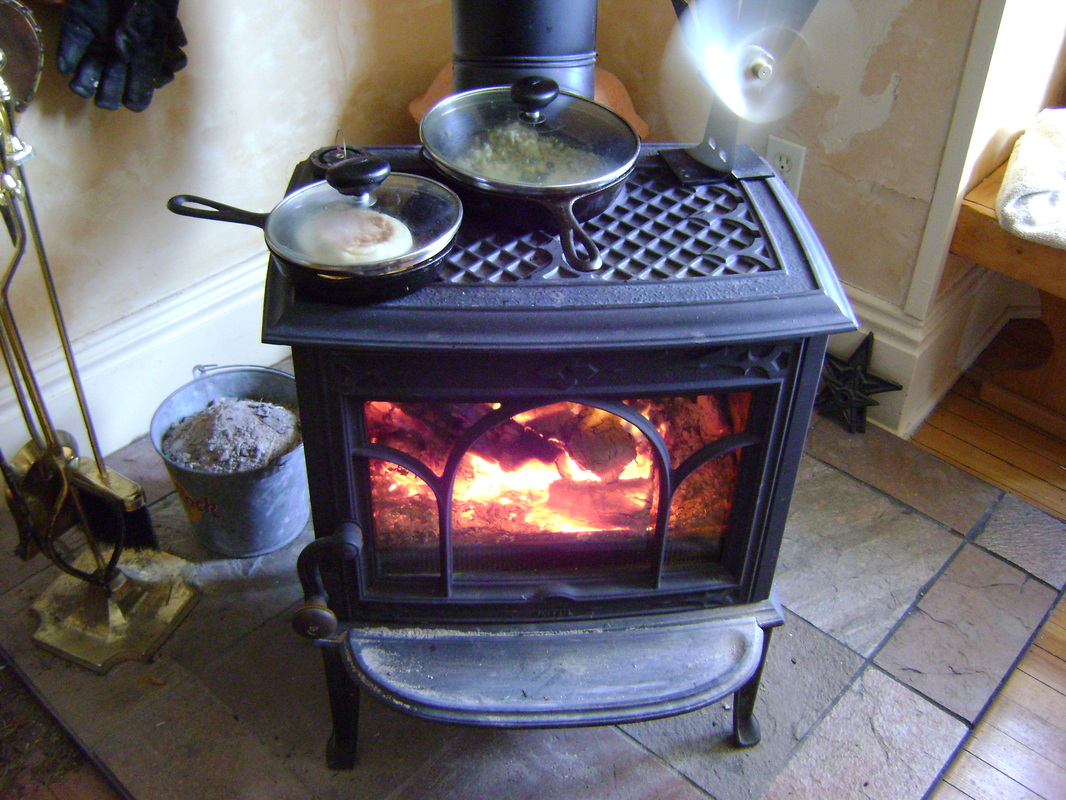
Security is paramount during the placement of your wood burning stove. Make it a point to adhere to local building codes and regulations to mitigate hazards. It is advisable to hire a professional installer, especially if you are unfamiliar with using wood stoves. They can evaluate your chimney and ventilation needs, making sure the stove is installed correctly and safely. Proper installation not only boosts efficiency but also reduces the risk of fire and smoke issues.
After installation, you'll want to understand with the stove’s performance and maintenance requirements. Read the manufacturer's instructions carefully and make sure to keep all safety features, such as carbon monoxide detectors and chimney sweeps, in mind. Regular maintenance will extend the life of your stove and keep it operating optimally. Knowing how to handle the stove effectively will make your cooking experience enjoyable and secure.
Cooking Techniques and Safety Tips
Cooking on a wood burning stove demands a distinct approach than traditional cooking techniques. One important technique is understanding the heat zones of your stove. The area closest to the fire is the hottest, while the rear and sides can be used for simmering or maintaining warmth in dishes. Trying out with pots and pans of various materials, such as cast iron or stainless steel, can yield varying results in cooking duration and taste. It's also crucial to mix food frequently to avoid sticking and ensure uniform cooking.
Precaution is paramount when using a wood burning stove for cooking. Always ensure that the chimney is unclogged to allow proper airflow, reducing smoke buildup and lowering the danger of carbon monoxide exposure. Keep flammable materials away from stove, and use heatproof gloves when handling hot pots and pans. It's wise to have a fire extinguisher close at hand and to be familiar with its operation in case of an emergency. Routine upkeep and cleaning of the stove will ensure safe operational conditions.
Lastly, consider the type of wood you are using as it can significantly impact flavor and cooking performance. Dense woods, such as oak and hickory wood, generate higher temperature and sustained heat, which is ideal for culinary use. Avoid burning light woods like pine wood, as they can give a sticky taste to your food. Monitoring your fire and modifying air flow will assist in keeping a consistent heat while cooking, guaranteeing great outcomes every time.