Picking the Right HVAC Unit for Your Home: A Comprehensive Analysis


In terms of establishing a pleasant and efficient living environment, picking the right HVAC system for your home is essential. With a variety of options on the market, each crafted to meet diverse needs and requirements, managing this decision can be daunting. Grasping the multiple types of HVAC systems, along with key factors like energy effectiveness and indoor air quality, can help you make an informed choice that best meets your home.
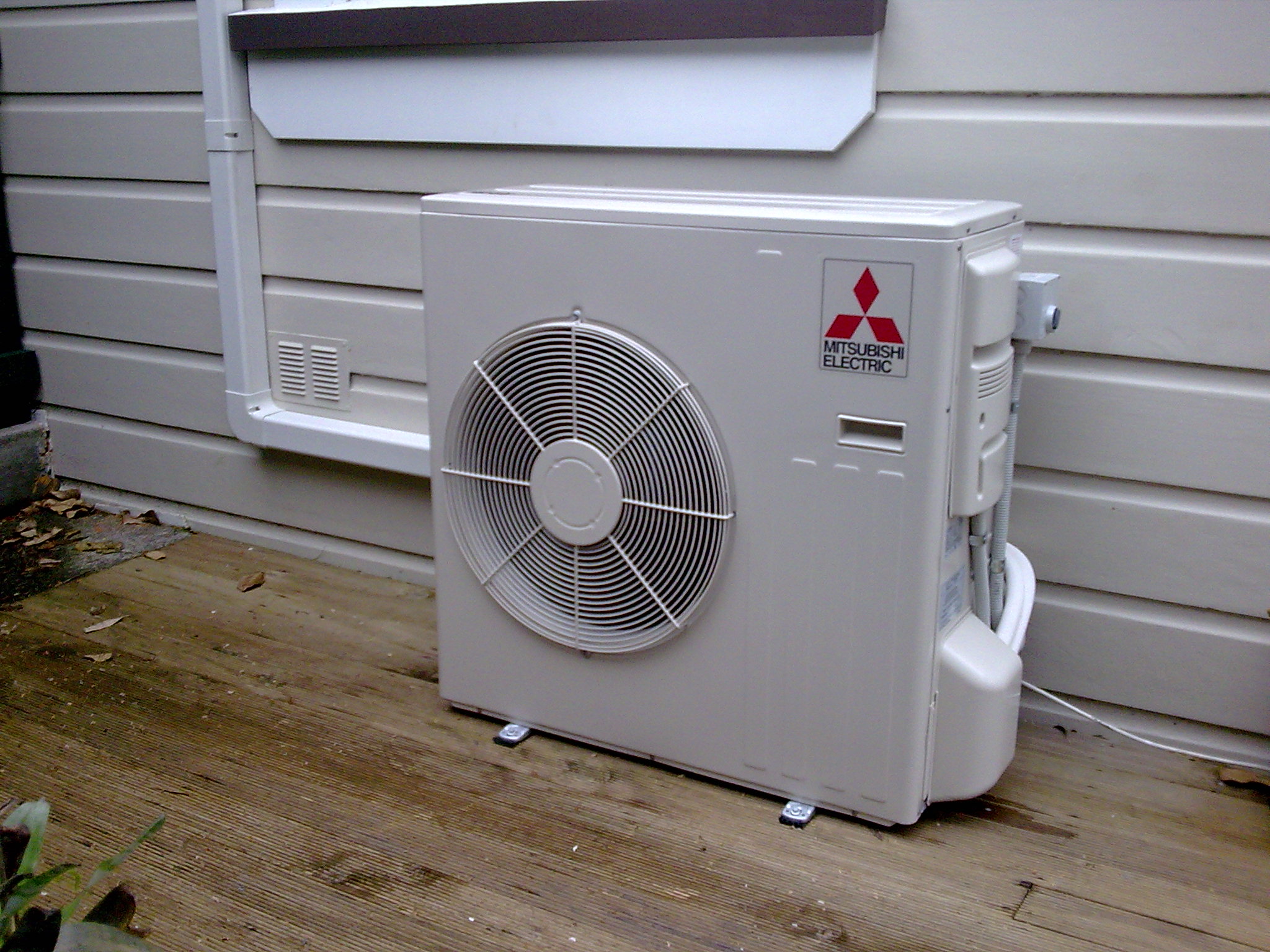
In this comprehensive review, we will explore key aspects of HVAC systems, including how to improve their performance, notice signs that indicate your system may need attention, and service your equipment efficiently. From energy-efficient solutions to the influence of HVAC on your home’s resale value, our guide will provide you with important insights to ensure your home remains comfortable year-round while also holding energy costs manageable. If you are considering a new installation or wanting to improve your existing system, we have the information you need to make confident decisions.
HVAC Maintenance Essentials
Caring for your HVAC system is vital for guaranteeing it runs effectively all year round. Consistent maintenance can aid identify potential problems before they become significant problems, saving you time and money on repairs. A thoroughly checked system not only increases satisfaction but also increases the longevity of the system. The foundation of HVAC maintenance lies in grasping how often to maintain your system, usually suggested twice a year, at the beginning of the heating and cooling seasons.
One of the critical maintenance tasks involves swapping the air filters on a schedule. Clogged filters restrict airflow, leading to your HVAC system to exert more effort, which can lead to increased energy bills and diminished efficiency. It is wise to check your filters monthly, particularly during peak usage times, and swap them at least once every three months or as needed. Additionally, ensuring that your outdoor unit is free from debris can greatly improve performance, as it allows for sufficient airflow.
Another important aspect of HVAC maintenance is scheduling professional tune-ups. These professional evaluations can spot issues that the average homeowner might overlook, such as refrigerant leaks or electrical concerns. During a tune-up, a technician will service components, check system controls, and ensure the performance. This proactive approach not only helps in improving energy efficiency but also supports better indoor air quality, making it an cost worth taking into account.
Choosing the Best HVAC System
Selecting the appropriate HVAC system for your home starts with understanding your specific needs. Consider factors such as the dimensions of your home, local climate, and your financial limitations. A system that works efficiently in one region may not be suitable for another, so it’s crucial to assess how much heating and cooling capacity you require. Getting a qualified assessment can provide insights on which system type—central, ductless, or combi—will best meet your demands.
Energy efficiency is a further key factor to consider. Look for systems with high SEER ratings, as they indicate greater efficiency in energy use. An energy-efficient system can greatly reduce your monthly utility bills and help create a greener environment. Additionally, features such as intelligent thermostats and HVAC zoning can enhance energy savings by providing better control over temperature settings in various areas of your home.
Finally, don’t forget about maintenance and support when choosing an HVAC system. Some units require additional service and upkeep than others, which can affect long-term costs. Review warranties and service plans offered by manufacturers or contractors, as having reliable support can ensure your system remains functional for an extended period to come. Making an informed choice will result in better comfort levels, lower energy costs, and a higher resale value for your home.
Enhancing Internal Air Quality
The quality of air indoors is crucial for ensuring a wholesome and pleasant home space. One of the best ways to improve the air quality in your home is through adequate HVAC maintenance. Periodically changing air filters is critical, as blocked filters can disperse dust, allergens, and pollutants throughout your home. It is advised to check and change filters every 1 to three months, depending on usage and the presence of animals or allergic reactions. Additionally, consider using high-performance particulate air (HEPA) filters that trap smaller particles and improve overall air purity.
Another way to improve indoor air quality is by providing proper ventilation. Modern HVAC units often integrate fresh air inlets or can be combined with energy recovery ventilators (ERVs) that replace stale indoor air for fresh outdoor air while reducing energy loss. This is particularly vital in well-sealed houses where humidity and pollutants can gather. Regularly opening windows when weather permits can also assist, enabling fresh air to circulate and lowering indoor air stagnation.
Lastly, humidity control plays a key role in indoor air quality. High moisture levels can create a breeding ground for mold, mildew, and dust mites, which can trigger allergies and respiratory issues. Using http://www.newcastleaircon.co.uk/best-Air-conditioning-tyne-and-wear or ensuring that your HVAC system has humidification controls can help maintain ideal humidity levels between 30 and fifty percent. Monitoring humidity and taking necessary adjustments can lead to a healthier living space and greater comfort for you and your family.