In-Depth Analysis: Comprehending Piling Foundations


Driving foundations are a critical aspect of current building, providing the support necessary for structures and infrastructures in a range of complex soil conditions. As city areas continue to develop and builders seek to enhance land use, understanding the complexities of piling foundations has never been more crucial. From high-rises to coastal projects, these specialized foundations allow for the construction of secure and stable structures even in challenging environments.
In this comprehensive guide, we will examine what piling foundations are, the various types available, and their importance in ensuring structural integrity. We will talk about how engineers determine the right pile type for a project, the latest innovations in piling technology, and the merits that these foundations offer over conventional methods. Whether you are a building professional, a learner, or simply curious about the world of engineering, this article will provide insightful knowledge into the essential role that piling foundations play in the constructed world.
Comprehending Post Base Structures
Post foundations are a essential component in building, especially for structures built on poor soil. Fundamentally, they consist of long, slender columns driven deep into the ground to access a more secure layer of soil or rock. This method allows for the distribution of a building's load over a larger area, providing the required support for skyscrapers, structures, and other massive edifices. By transferring the weight of the building down to more solid soil or rock formations, piling bases prevent excessive settlement and maintain the integrity of the structure over time.
The value of piling bases cannot be emphasized enough, as they play a key role in guaranteeing the integrity of a building project. When dealing with difficult soil conditions, such as clay, silt, or loose sand, conventional shallow bases may not provide the necessary support. Post bases are tailored to address these risks, making them an ideal solution for various building types, including home, retail, and industrial developments. They also help in constructing along coastlines and high-water areas, where soil conditions are unreliable.
In summary, grasping pillar bases is vital for anyone participating in construction or infrastructure engineering. These foundations not only support significant structures but also enhance the lifetime and safety of buildings in problematic soil conditions. As building technology continues to advance, advancements in foundation methods are shaping the future of foundation design, making it vital for designers and builders to stay aware about the newest methods and resources accessible.
Types and Uses of Piling Foundations
Piling foundations are divided into multiple types, every one intended to fulfill particular project demands. The most prevalent categories include driven caissons, bored foundations, and screw piles. Driven foundations are pre-formed and hammered into the ground, rendering them appropriate for a variety of soil conditions, including loose or shallow layers. Augered piles, on the flip side, are removed in place and infilled with concrete, offering reduced disturbance to the surrounding area. Screw foundations utilize helical blades to create and place piles and are particularly effective in difficult soil types, turning them a common choice for domestic and minor commercial applications.
The decision of pile type often relates with the project’s objectives and environment conditions. For instance, heavy structures like skyscrapers typically depend on large-diameter bored foundations for their capability to support significant loads. In contrast, small piles are optimal for little structures or in restricted spaces where traditional piles cannot be utilized. Additionally, Informative post serve a comparable function in providing support for foundations in constrained access areas, providing adaptability and stability for both novel constructions and revamp projects.
Grasping the correct use of every piling type is essential for guaranteeing structural stability. Engineers analyze factors such as soil attributes, load needs, and environmental elements to choose the most effective piling solution. Properly determined and placed piling foundations significantly improve the power and stability of structures, ensuring sustainable support even in difficult conditions. This variety of possibilities allows for tailored solutions that fulfill the particular needs of different construction projects.
Setup and Benefits Piling Foundations
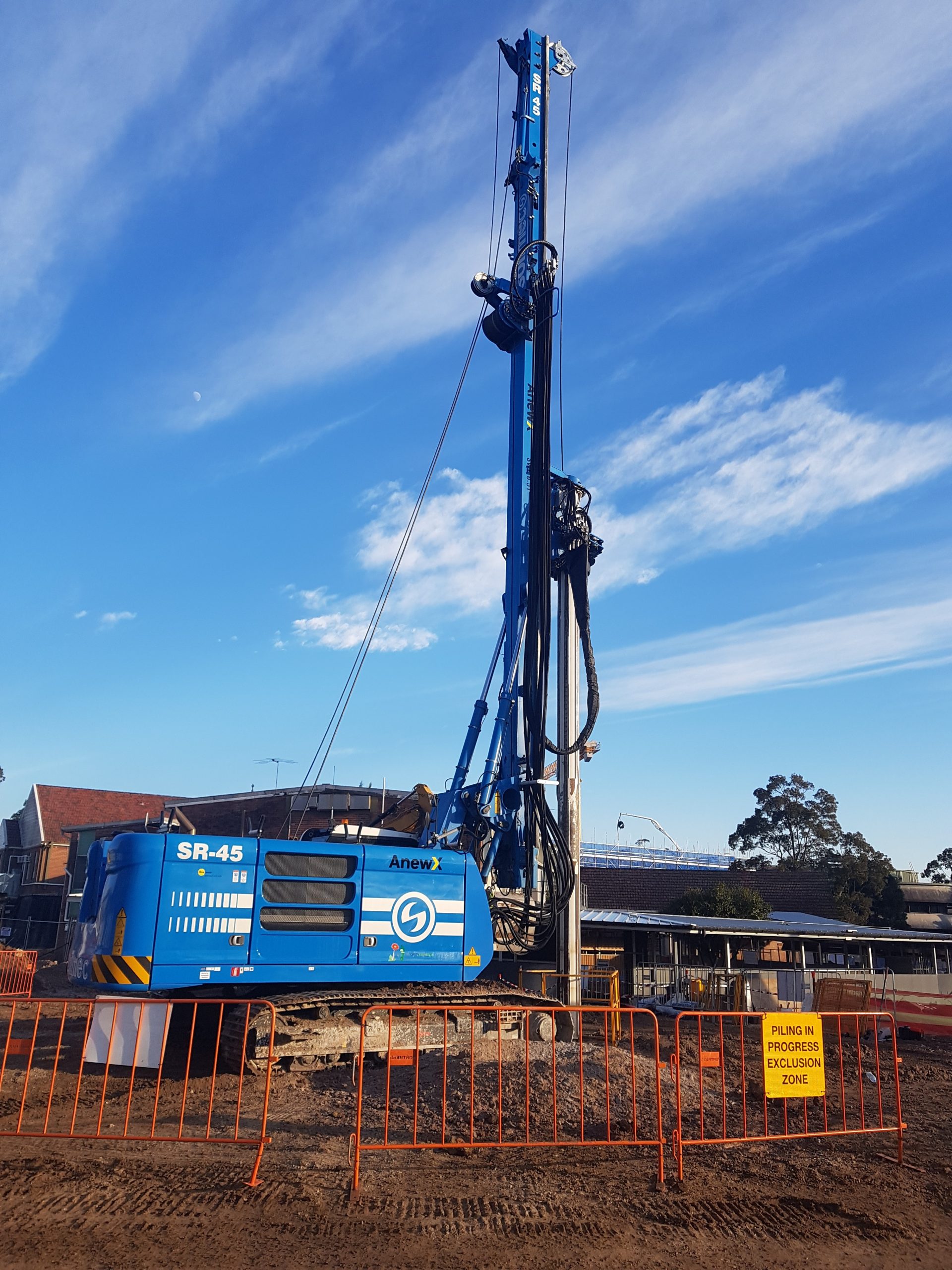
The erection of piling foundations involves a methodical approach to ensure that they are accurately positioned and fastened to provide optimal support. The procedure typically begins with site assessment and design, where engineers analyze soil conditions to determine the suitable type of piling. Depending on whether installed or bored piles are chosen, specific equipment is employed to install the piles deep into the ground. This phase also includes pile load testing to ensure each pile can bear the required loads, followed by thorough inspection to confirm that installation meets the specified standards.
One of the key advantages of piling foundations is their ability to provide strength in difficult soil conditions, such as clay or unconsolidated sand. By reaching more profound, more stable layers of soil, piles can effectively spread the weight of large structures, preventing issues like settlement or leaning that can occur with shallow foundations. Additionally, piling foundations are essential in locations susceptible to ecological changes, such as near coastlines or flood-prone areas, allowing for construction that can withstand these obstacles over time.
Moreover, using piling foundations can lead to substantial cost reductions in the long run. Although the initial investment may be greater compared to traditional surface foundations, the augmented structural integrity reduces risks of subsequent repairs and prolongs the lifespan of the building. This not only ensures more efficient use of resources but also contributes to overall project sustainability by reducing material waste and energy use during a building's lifetime.