How Seasonal weather Variations Impact Roofing Solutions


When the seasons change, consequently do the requirements on your roof. Whether it’s the snow and ice of winter, heavy rain of spring, the intense heat of summer, or the high winds of autumn, each season presents distinct challenges and possibilities for maintaining and protecting the roof. Grasping how the seasonal changes affect roofing services is essential for every homeowner who wants to make sure their roof is in optimal condition and extends its lifespan.
Regular maintenance and prompt repairs play a critical role in safeguarding your home against the elements. From identifying the ten signs you need a new roof to knowing how to choose the right roofing contractor, being informed can save homeowners money and stress in the end. Seasonal roof care tips can help homeowners get ready your home for roof installation or identify common roofing problems before they worsen. In this article, we aim to explore key factors that influence roofing needs throughout the year, ensuring homeowners are equipped to make informed decisions for their property.
Signs You Need a New Roof
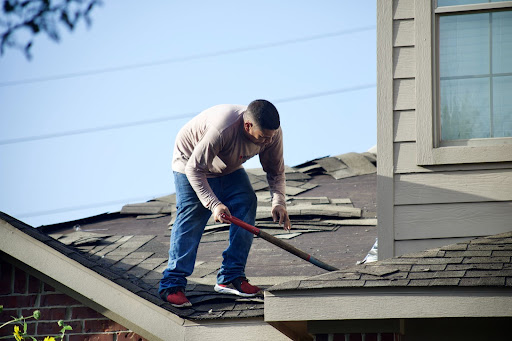
One of the first indicators that it might be time for a new roof is the presence of absent or damaged shingles. If you notice that shingles are broken, curled, or completely missing, it is important to address this issue without delay. These signs frequently show that your roof is nearing the end of its lifespan and may not provide sufficient protection against the weather. Regular inspections can assist in spotting these problems before they escalate before they cause more extensive damage.
Additionally, to look out for is an increase in leaks or damp spots on your ceilings. If you find leaks indoors or see mold growth in your attic, these may be clear indications of a failing roof. Water intrusion can cause major damage to your home and may jeopardize the structural integrity if not resolved quickly. It is important to examine any leaks in detail and determine whether they are due to roof damage or other issues.
Lastly, if your roof is over 20 years old, it might be time to evaluate a replacement. Most roofing materials have a defined lifespan, and aging can lead to reduced effectiveness against weather conditions. Even if Helpful resources do not notice obvious damage, age-related wear can reduce your roof’s performance and lead to costly repairs. Meeting with a roofing professional can aid in determining the condition of your roof and decide whether a replacement is necessary.
Choosing the Right Roof Contractor
Choosing the right roofing contractor is crucial for ensuring your new roof is set up accurately and expertly. Begin by looking into local providers with positive reputations. Search for customer reviews, ratings on platforms like Yelp, and ask for referrals from relatives. A reputable contractor should have a strong history of completed projects and content clients.
Once you have a shortlist, check for appropriate licensing and insurance. A licensed service provider should have a legitimate license, which indicates they satisfy local laws and criteria. Insurance is just as essential, protecting you from potential issues during the installation project. Additionally, inquire about their expertise with the specific material you plan to use, as different materials may necessitate unique setup techniques.
Finally, get comprehensive estimates from at least three or more providers before making a choice. A solid quote should specify the extent of work, materials to be used, labor costs, and the anticipated timeline for finishing. Don't automatically select the lowest bid; evaluate the quality and services provided. Effective communication and competence during the estimation process can also be symptomatic the provider's trustworthiness and labor standards.
Seasonal Roofing Care Tips
As times of the year change, so do the requirements on your roof. In the fall, it is crucial to clean gutters and down pipes of leaves and clutter to ensure proper water drainage during the cold months. A build-up of leaves can lead to frozen drainage issues, which can cause significant roofing damage. Additionally, a visual inspection during this time can help detect any wobbly shingles or other issues before winter weather arrives.
During winter, it is critical to monitor your roof for signs of snow buildup. Heavy snow loads can stress your roofing structure, so consider removing the snow after significant accumulations. Look out for ice formations developing at the edges of your roofing system, which may indicate poor airflow or heat retention, causing ice dam formation.
As the spring season arrives, it's time to perform a comprehensive inspection to assess any cold season issues. Check for lost or damaged roof tiles, and make sure that flashing materials and sealants around chimneys or ventilation systems are in good condition to avoid leaks. Arranging a professional roof assessment can also be beneficial to identify any concealed issues that need fixing before the hot season warmth takes a toll on your roofing materials.