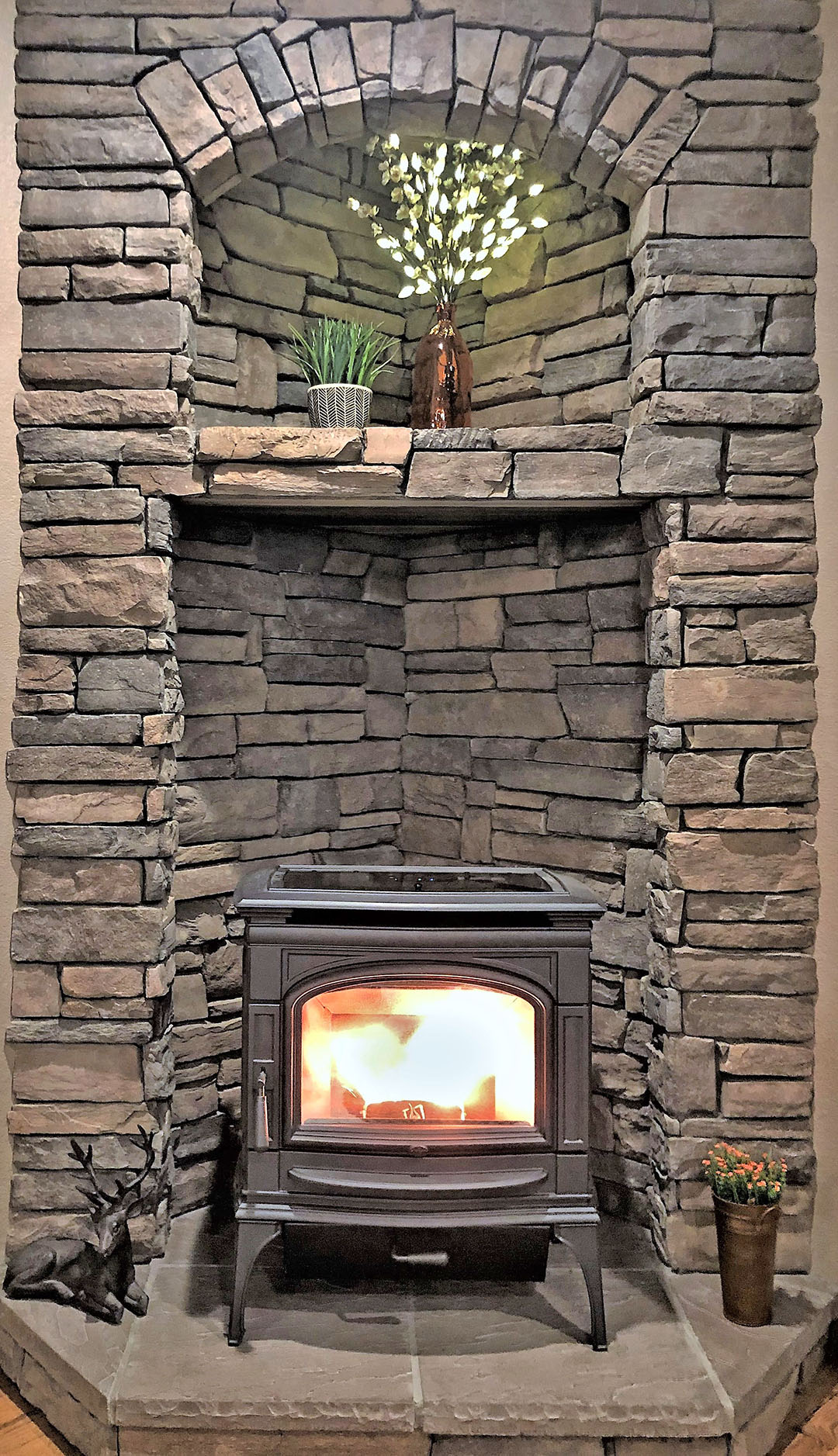
Eco-Friendly Heating: The Advantages of Wood Burning Stoves


With the growing recognition regarding global warming and its importance of sustainable lifestyles, many homeowners have been searching for eco-friendly alternatives for heating their living spaces. One solution which is growing popularity involves a wood burning stove, a timeless option that blends effectiveness and the cozy ambiance. Whether you're considering performing a switch and just wish to further learn more, grasping its benefits of these stoves can assist you make an informed decision.
Within the complete beginner's guide on wood burning stoves, this guide aims to explore the reasons for installing a wood burning stove in your home and contrasting wood burning stoves to gas options. You'll also discover the ways of select the right stove for your space, and learn about its environmental impact, upkeep tips, plus frequent mistakes to avoid. While we delve deeper in the realm of the world of wood burning stoves, you'll find out why they're neither just the nostalgic choice, and also a practical functional and eco-friendly heating solution for modern homes.
Deciding on the Right Firewood Stove
Choosing the right wood burning stove is vital for maximizing effectiveness and comfort in your house. Take into account the dimensions of your living space when selecting a stove, as this will dictate the stove's heat output. Stoves are rated by their heating capacity, which shows the amount of heat they can produce. A stove that is too small will have difficulty to heat your area, while an excessively big stove may lead to excessive heat and fuel wastage. Measure of the area you want to heat and check the manufacturer's specifications for the appropriate size.
Another important factor is the stove's appearance and type. There are various styles of firewood stoves, from old-fashioned cast iron models to modern steel designs, and each comes with its stylistic qualities and functionality. Additionally, you can select between catalytic-type and non-catalytic stoves. Catalytic stoves generally provide greater efficiency and lower emissions but may require more maintenance. Non-catalytic-type stoves are often more straightforward to manage and maintain, making them a popular choice for many homeowners.
In conclusion, take into account the setup requirements and local laws regarding firewood stoves. Some areas have designated guidelines that dictate where and how a stove can be installed, including chimney and fireplace specifications. It's advisable to talk to a professional contractor or review local zoning laws to ensure conformity. https://campbell-luna-2.technetbloggers.de/warm-the-house-in-a-natural-way-pros-and-disadvantages-of-wood-firing-ovens improves safety but also makes sure you're getting the most out of your wood burning stove in terms of efficiency and capability.
Environmental Benefits and Efficiency
Wood burning stoves have seen a renewed interest in popularity due to their potential environmental benefits in contrast to conventional heating systems. Unlike fossil fuels, wood is a renewable resource that, when sourced sustainably, can significantly reduce carbon emissions. Modern wood burning stoves are designed to burn more efficiently, resulting in reduced particulate emissions and a diminished ecological footprint. As the burning process advances, the smoke produced is considerably cleaner, which contributes to improved air conditions both inside and outside the home.
In terms of energy conservation, wood burning stoves can provide effective heating while consuming less fuel. This means that homeowners can enjoy greater warmth for a prolonged time with lower amounts of wood. The advanced technology in modern models allows for enhanced burning efficiency and more heat output, ultimately leading to decreased reliance on non-renewable energy sources. Consequently, families can save on heating costs, all while encouraging an eco-friendly way of living.
In addition, by incorporating wood burning stoves into their homes, individuals can engage in lowering total energy use. Utilizing locally sourced wood not only boosts local businesses but also reduces transport-related pollution, further contributing to environmental sustainability. This localized approach to heating promotes a more responsible consumption model, where communities can adopt eco-conscious methods that foster an eco-friendly future.
Safety and Maintenance Advice
To make certain the secure operation of your wood burning stove, it's essential to follow a handful of key practices. Always use well-cured wood to minimize smoke and reduce creosote buildup in your chimney. When loading the stove, refrain from overpacking it, as this can lead to hazardous flare-ups and poor burning. Additionally, keep the area around your stove free of combustible materials, including furniture and decorations, to prevent any fire hazards.
Regular maintenance is key for the durability and efficiency of your wood burning stove. Schedule an annual chimney cleaning with a professional to remove any creosote deposits, which can pose a fire risk if left ignored. Check the stove's gaskets and seals for wear and swap them as needed to ensure a tight fit, which improves efficiency and safety. Furthermore, inspect the stovepipe and chimney for any signs of damage or corrosion, as these can undermine the stove's performance.
Lastly, familiarize yourself with appropriate fire management techniques to enhance safety. Always keep a fire extinguisher nearby and regularly review your family’s fire escape plan. Educate all household members on how to safely light a fire and operate the stove. By following these upkeep and safety tips, you can enjoy the warmth and comfort of your wood burning stove while minimizing risks.