Discovering Stability: The Importance of Foundation Piling in Construction


In the domain of building, the integrity of a construction is essential, and this commences with a robust foundation. Piling foundations play a crucial role in ensuring that buildings can endure varying soil conditions and significant loads. As building projects grow in intricacy and size, understanding the value of piling turns important for engineers, architects, and builders alike. This article seeks to explain piling foundations, investigating their types, benefits, and the methods driving their use in modern construction.
From sprawling high-rises to marine structures, piling foundations provide the necessary foundation that allows these structures to rise steadily, even in challenging environments. Whether you're an entrant to the field or looking to enhance your knowledge, this thorough guide will illuminate the fundamental principles of piling foundations, their installation methods, and the critical factors that affect their design and application. Participate us as we delve into the intricacies of this essential aspect of construction and explore why proper foundation techniques can mean the variance between a stable building and one at danger of failure.
Grasping Piling Foundations
Piling systems are specialized deep foundation techniques used to transfer loads from edifices down to solid soil or rock layers beneath weaker surface soils. They consist of long, slender piles made from substances such as timber or composite that are driven or drilled into the ground. This method is essential in areas with substandard soil conditions or where surface firmness cannot sustain considerable weight. By using piles, engineers can guarantee that buildings and other constructs remain sound, regardless of the challenges posed by the surrounding ground.
The significance of piling foundations lies in their capability to improve structural integrity, especially when constructing large structures, bridges, or other substantial infrastructures. They facilitate for the allocation of substantial loads over a larger area, effectively avoiding structural settlement or failure. Piling techniques are adapted to the particular soil conditions and project specifications, guaranteeing that each foundation system is optimized for its set use, thereby prolonging the durability of the structure it holds up.
Grasping how piling foundations work also entails identifying the distinct types accessible, such as driven piles and bored piles. Driven piles are manufactured concrete or steel piles that are pushed into the ground, while bored piles are formed by excavating holes into the ground and then pouring them with concrete. Each method has unique pros and is chosen based on factors like soil type, depth, and load requirements. As construction methods evolves, new developments continue to boost the efficiency and efficiency of piling foundations, making them a go-to solution in modern construction.
Types and Benefits of Piling
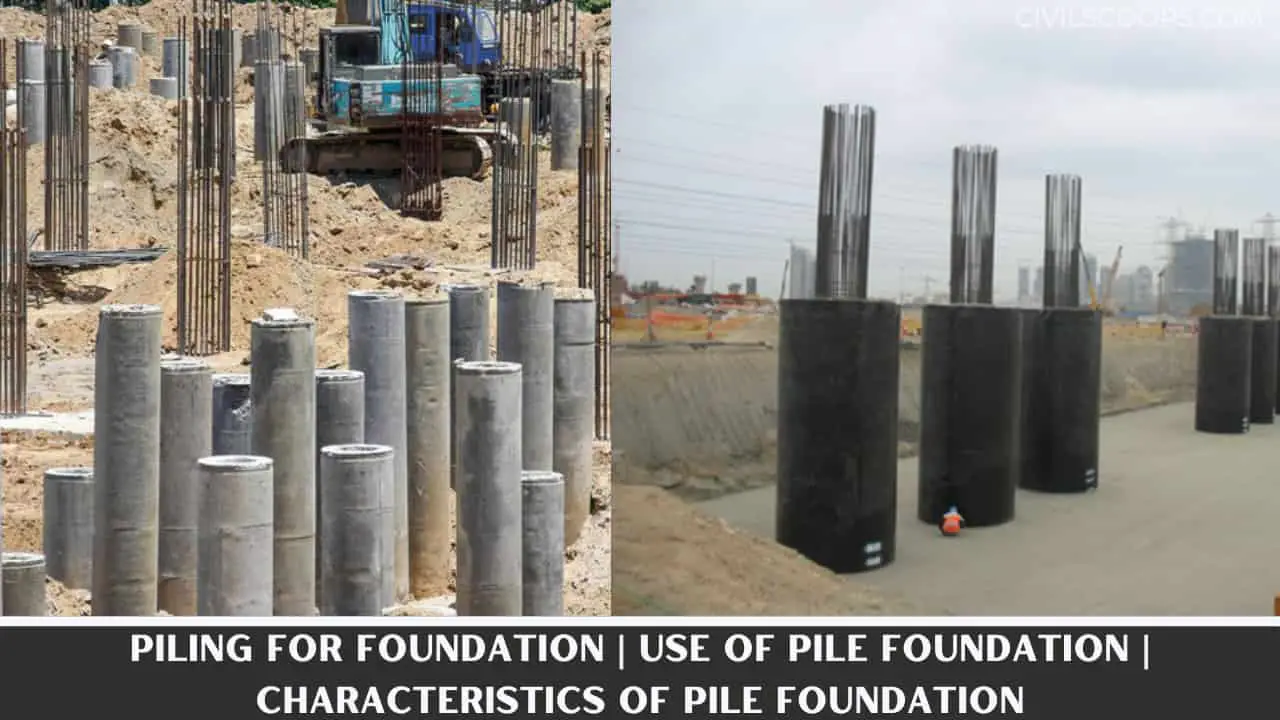
There exist numerous types of piling foundations, each designed to match various soil conditions and structural requirements. The most common types comprise piles that are driven, that are inserted into the ground using a pile driver; piles that are bored, that are bored into the ground; and piles that are screwed, which are screwed into the soil. Additionally, piles can be constructed from various materials such as concrete, steel material, or lumber, depending on the demands of the project and conditions. The selection of pile type is critical, as it directly impacts the foundation's ability to support loads.
The benefits of using piling foundations are numerous, particularly in difficult environments. One significant advantage is their ability to convey heavy loads from a structure to deeper, less variable soil layers, which is essential in areas with fragile surface soils. This capability not only boosts the overall stability of the building but also reduces the likelihood of settlement over time. Furthermore, piling foundations are often faster to install compared to traditional methods, which can expedite the construction process and shorten project timelines.
Piling also offers considerable versatility, making it fit for a range of projects, from homes to huge commercial skyscrapers. In Piling Chesterfield , for example, piling foundations can be essential in managing variable water levels and comparable challenges. The employment of new piling technologies and innovations has further boosted their effectiveness, providing solutions that are both durable and environmentally considerate. By choosing https://output.jsbin.com/savadunujo/ of piling foundation, builders can ensure their structures are not only stable but also durable against different external pressures.
Installation and Advancements in Piling
The setup of piling supports involves a systematic approach to ensure strength and support for big structures. First, the construction site is readied, which includes surveying and site clearance. Depending on the type of piles being used, either impact-driven or drilled piles will be selected. Driven piles are hammered into the ground, while bored piles are excavated and filled with cement. Engineers carefully calculate the depth and positioning of each pile to meet the engineering needs, taking into account ground conditions and load-bearing capacity.
Recent innovations in piling methods have greatly improved the efficiency and efficiency of the setup process. For instance, the development of advanced drilling techniques has improved the ability to create precise boreholes, minimizing noise and noise, which is particularly beneficial in city areas. Furthermore, the use of new materials, like composite materials, has allowed for lighter yet more durable piles, which can be easier to set up and handle. Automation in pile driving machinery also reduces human labor and enhances security on construction sites.
As environmental concerns rise, modern piling methods are also focusing on sustainability. New approaches prioritize reducing greenhouse gas footprints by incorporating recycled materials in pile building. Moreover, ongoing advancements in monitoring technology enable real-time observation of pile performance during and after installation. This data-driven method helps engineers make informed decisions, enhancing the durability of the foundation and extending the lifespan of the entire structure. These innovations not only streamline the installation process but also contribute to more robust and eco-friendly construction methods.