Deep Diving into Piling: Uncovering Foundation Techniques


Within the world of construction, the foundation is considered one of the most critical components of all structures. In the various types of foundations, pile foundations are prominent for their ability to hold up large buildings and bridges, notably in challenging soil conditions. As urban landscapes evolve and engineering requirements grow, understanding piling foundations becomes crucial for architects, engineers, and contractors alike.
This article aims to investigate the domain of piling foundations, offering a detailed guide for beginners and seasoned professionals. Our focus will be on the principles of how these foundations work, the various kinds available, and the many advantages they provide. If you are starting a new construction project or just wanting to expand your knowledge in foundational methods, our exploration will uncover the significance and complexities of piling foundations in today's engineering.
Grasping Piling Systems Foundations
Pile foundations are specialized deep foundation systems created to convey the stress of a building to lower, solid soil layers or hard ground. They consist of long, slender columns, known as stacks, that are inserted or bored into the ground. This method is essential in locations where the surface soil is either too soft or compressible to bear heavy loads. Piles can withstand substantial vertical and lateral forces, making them particularly valuable in the building of large structures, overpasses, and other infrastructural developments.
One key component of piling foundations is the way of installation, which can change depending on the project requirements and the environment. Driven Piling Contractors Chesterfield are typically pounded into the ground, while excavated piles are removed and packed with mortar. https://queenheat2.werite.net/unearthing-stability-the-role-of-deep-foundations-in-construction between these techniques often hinges on considerations such as soil type, nearby edifices, and the desired load-bearing ability. Comprehending these installation techniques helps in selecting the best piles for a given project and guarantees the soundness of the edifice.
The use of pile foundations is necessary for various applications, particularly in coastal and urban areas where ground stability is a concern. As urban areas grow and building requirements rise, the significance of pile in foundation engineering becomes ever more essential. Not only do pile foundations provide the necessary support for large buildings, but they also improve overall stability, minimize the risk of sinking, and aid to the longevity of buildings in challenging soil conditions.
#### Forms and Benefits of Pile Foundations
Piling foundations can be categorized into various types, that are appropriate for certain soil conditions and structural requirements. The primary categories include hammered piles, which are driven into the ground, and bored piles, which are built by hollowing a hole and packing it with concrete. Driven piles are usually favored for their quick installation and tendency to reach more solid soil layers. Bored piles, on the other hand, offer more flexibility in terms of width and depth, making them perfect for projects with specific site constraints.
A further classification includes steel and concrete piles. Steel piles are recognized for their strength and load-bearing capacity, making them suitable for heavy structures like high-rises and bridges. Concrete piles are frequently used for domestic and commercial buildings due to their long-lasting nature and resistance to corrosion. Furthermore, within these categories are mini piles and micro piles, that are outstanding solutions for underpinning current structures or for sites with restricted access.
The applications of piling foundations change widely across multiple construction sectors. In marine construction, for example, piling is crucial for structures exposed to water, as they provide stability against erosion and buoyancy influences. In ground challenging situations, such as areas with unstable or marginal soil, piling foundations can support the load of heavy buildings, preventing issues like settlement. Ultimately, the choice of piling type and its application directly influence a project's success, ensuring safety and longevity in the structures built.
Setup and Architecture Considerations
When building and implementing piling foundations, careful consideration of ground conditions is vital. Engineers conduct extensive geotechnical investigations to understand the soil's characteristics, like its strength, compressibility, and water table levels. This data guides the selection of pile kind and depth required to ensure adequate load-bearing capacity. A well-planned design limits risks and ensures that the foundation can hold up the intended structure efficiently.
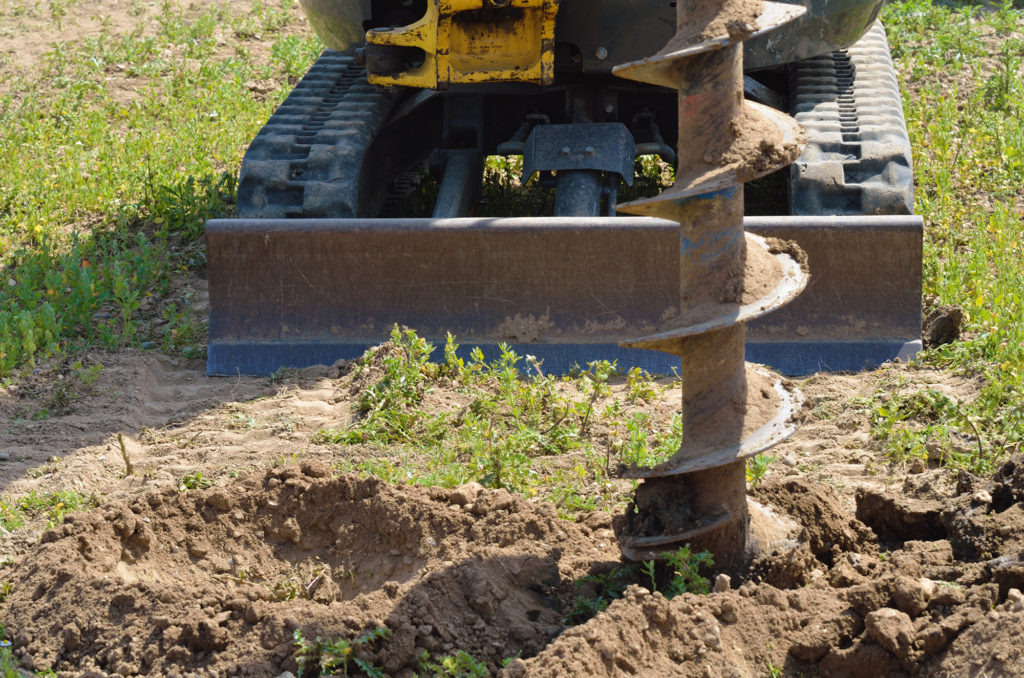
The installation process itself likewise demands precision and planning. Factors like access to the site, the presence of nearby structures, and environmental impact all affect installation methods. For instance, driven piles may be utilized for their speed and effectiveness in compact soils, while bored piles may be needed for weaker grounds or where vibration and noise must be reduced. Each method has its difficulties, but with proper planning, concerns like equipment selection and logistics can be dealt with efficiently.
Finally, ongoing monitoring and testing are important during and after installation. Pile load testing ensures that each pile can support the intended loads, and regular inspections can identify any potential settlement or structural issues promptly. Adhering to strong design principles and following best practices in installation not only ensures the longevity of the foundation but also adds the overall safety and performance of the structure constructed on top of it.