Creativity in Flames: Designing the Ultimate Wood-Burning Heating Device Setup


As the chilly draws near , the cold in the air grows more intense, many homeowners find themselves returning to the enduring appeal and coziness provided by wood burning stoves. Historically considered as merely utilitarian, these appliances have transformed into desirable centerpieces in today's households, marrying functionality and aesthetic appeal. The comeback in the popularity of wood burning stoves is more than a passing trend; it demonstrates an increasing valuing in environmentally friendly heating options along with the warmth they bring.
For anyone thinking about this possibility, navigating the world of wood burning stoves may feel overwhelming in the beginning. Ranging from choosing Log Burning stove installation for your area to grasping the sustainability factors and care necessities, there exists a plethora of information to explore. This guide aims to demystify the journey, offering insights into everything ranging from what woods to use to safety precautions, to innovative design ideas as well as the increased value brought to your home. Regardless of whether you’re an experienced stove lover or just starting your journey, you will discover crucial tips to create the ideal wood burning stove arrangement that improves both coziness and visual appeal in your environment.
Selecting the Right Firewood Heater
Choosing the appropriate wood burning stove is essential for maximizing performance and creating a pleasant living environment. First, evaluate the dimensions of the room you want to warm. Little rooms can benefit from compact models, while more spacious zones may demand a larger stove to offer sufficient warmth. It's also important to assess the stove's heating capacity, measured in BTUs, which shows how much heat the stove can generate per time unit. Diligently matching the stove's output to your room size will assist optimize efficiency and coziness.
Then, take into account the stove's style and appearance to fit your home decor. Log burning stoves come in various styles, from classic cast-iron models to sleek styles. Think about the stove's aesthetics and how it will blend with your current furnishings and overall design theme. Additionally, think about the substance of the stove, as this can impact both heat retention and the overall look. Selecting a style that resonates your individuality will boost the look of your home.
Finally, don’t overlook the importance of ventilation and chimney setup. Sufficient airflow is necessary for secure functioning, so verify that your selected stove meets local regulations and has the adequate airflow configuration. Research the venting requirements required for various stove types and check that your home can accommodate it. Considering these elements into account will help facilitate a successful log burning heater experience, making your choosing journey more straightforward and satisfying.
Security and Maintenance Guidelines
Guaranteeing safety when operating a wood burning stove is essential. Always use a certified stove that meets with local safety standards and codes. Regular inspections should be performed to check for any signs of damage, such as fissures in the stove body or chimney. Install smoke and carbon monoxide detectors in your home, as these will provide an additional layer of safety. Acquaint yourself with the proper usage procedures, including how to securely load wood, light a fire, and put out it when required.
Maintenance is essential for the durability and efficiency of your wood burning stove. Clean the flue and chimney at least annually to avoid creosote buildup, which can lead to chimney fires. Additionally, regularly inspect and service the stove's air vents and gaskets to ensure optimal airflow. If you detect lowered heating efficiency or any strange smells, it may be time to have a professional technician assess your stove.
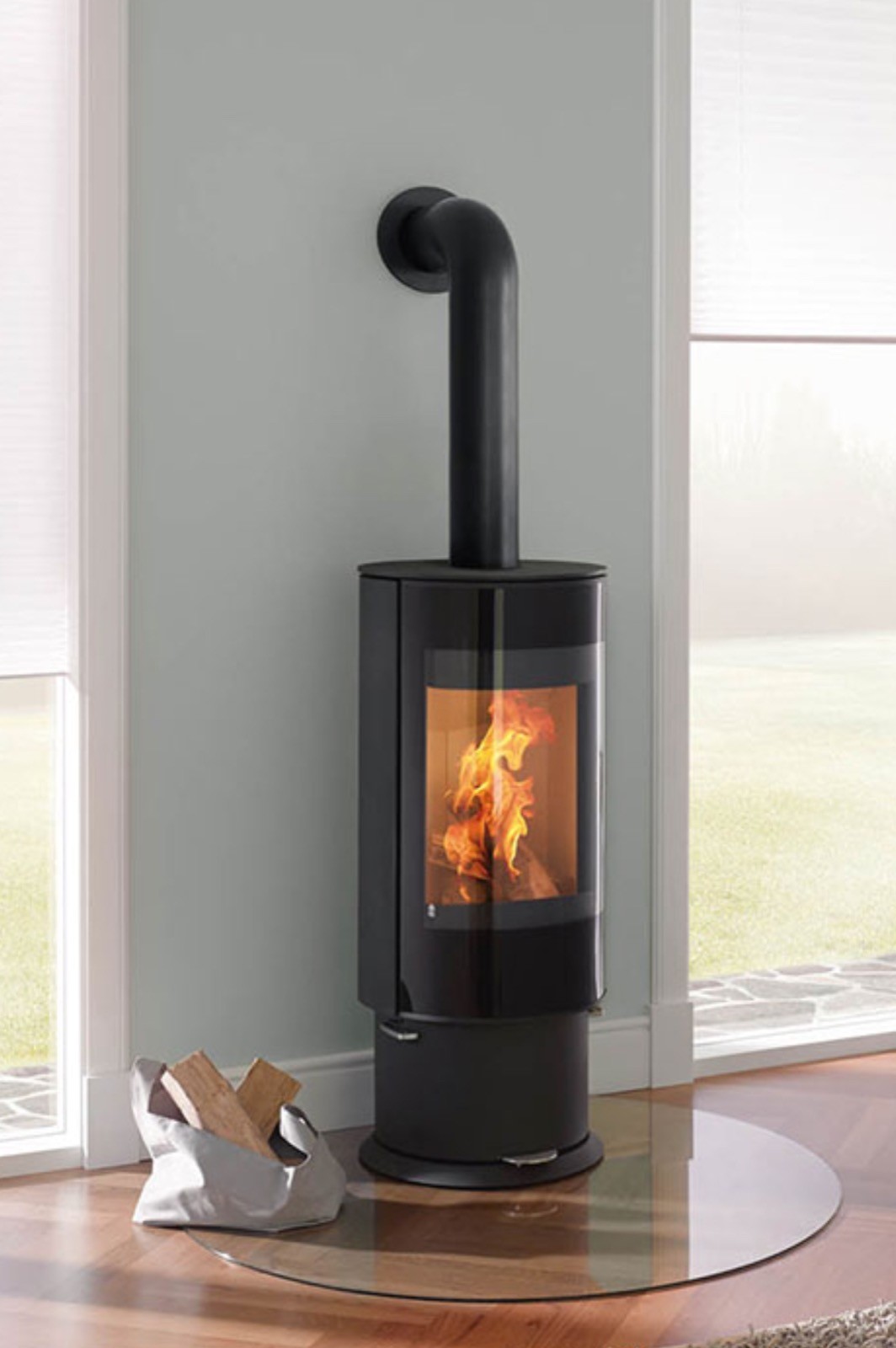
Adequate firewood storage is an additional key aspect of maintenance and security. Ensure that your firewood is cured and not wet before use, as burning moist wood can produce excessive smoke and create a hazardous creosote buildup in your chimney. Store firewood in a protected area, preferably off the ground to prevent moisture absorption, and keep it shielded during inclement weather. By adhering to these security and upkeep tips, you can successfully enjoy the warmth and ambiance of your wood burning stove.
Environmental and Effectiveness Factors
Fireplace stoves have increased trendiness in recent years, not just for their aesthetic appeal but also for their potential environmental advantages when compared to non-renewable heating. Contemporary wood burning stoves are engineered to utilize wood more efficiently, producing fewer smoke and particulate matter. When functioned correctly, they can use a renewable resource and aid to a reduction in dependence on fossil fuel energy sources. The key is to select the appropriate stove and maintain it properly to minimize emissions.
Nonetheless, it is critical to consider the kind of wood being burned, as not all woods are created equal. Certain woods, especially those that are solid and seasoned, provide greater heat with less smoke. Avoid burning processed or coated woods, as they release toxic chemicals into the atmosphere. In addition, reducing smoke emissions can also be achieved through correct stove use, including maintaining a consistent fire and ensuring adequate airflow. Comprehending the ecological impacts and making educated choices can enhance the sustainability of using wood as a warming source.
Aside from ecological impacts, wood burning stoves offer significant efficiency benefits for heating homes. They can reach greater heat outputs with fewer fuel than conventional heating methods. With the right configuration, a wood burning stove can add to overall home heating effectiveness, offering both convenience and cost savings in heating expenses. As awareness grows regarding fuel consumption and environmental responsibility, wood burning stoves are increasingly seen as a feasible option for environmentally aware homeowners looking to combine efficiency with sustainability.