Choosing the Right Heat Transfer Device for Your Requirements: A Practical Guide


Heat transfer devices play a vital role in a wide range of fields by facilitating efficient heat transfer between two or more gases. Whether it is in heating, chilling, or energy recovery, understanding what a heat exchanger is and how it works is important for people looking to optimize their processes. With numerous types available, including tube and shell, flat plate, and air-cooled models, selecting the right heat exchanger can significantly impact your initiative's effectiveness and eco-friendliness.
In this article, we will investigate a handy checklist to help you determine the most suitable heat exchanger for your particular needs. From understanding efficiency and maintenance to examining applications in industries such as HVAC, power plants, and food processing, we will provide insights into the factors that matter most. Additionally, we will address common obstacles and innovations in heat exchanger technology, allowing you to make wise decisions that enhance energy efficiency and lower operating costs in your operations.
Grasping Thermal Exchange Devices
Heat transfer devices are vital parts in numerous industrial processes. They are designed to move heat from one medium to another, whether the fluids involved are gases or liquids. By effectively controlling heat exchange, heat exchangers contribute to improving energy effectiveness and maintain optimal operating conditions in various applications. Grasping their operation is essential for choosing the suitable type for distinct needs.
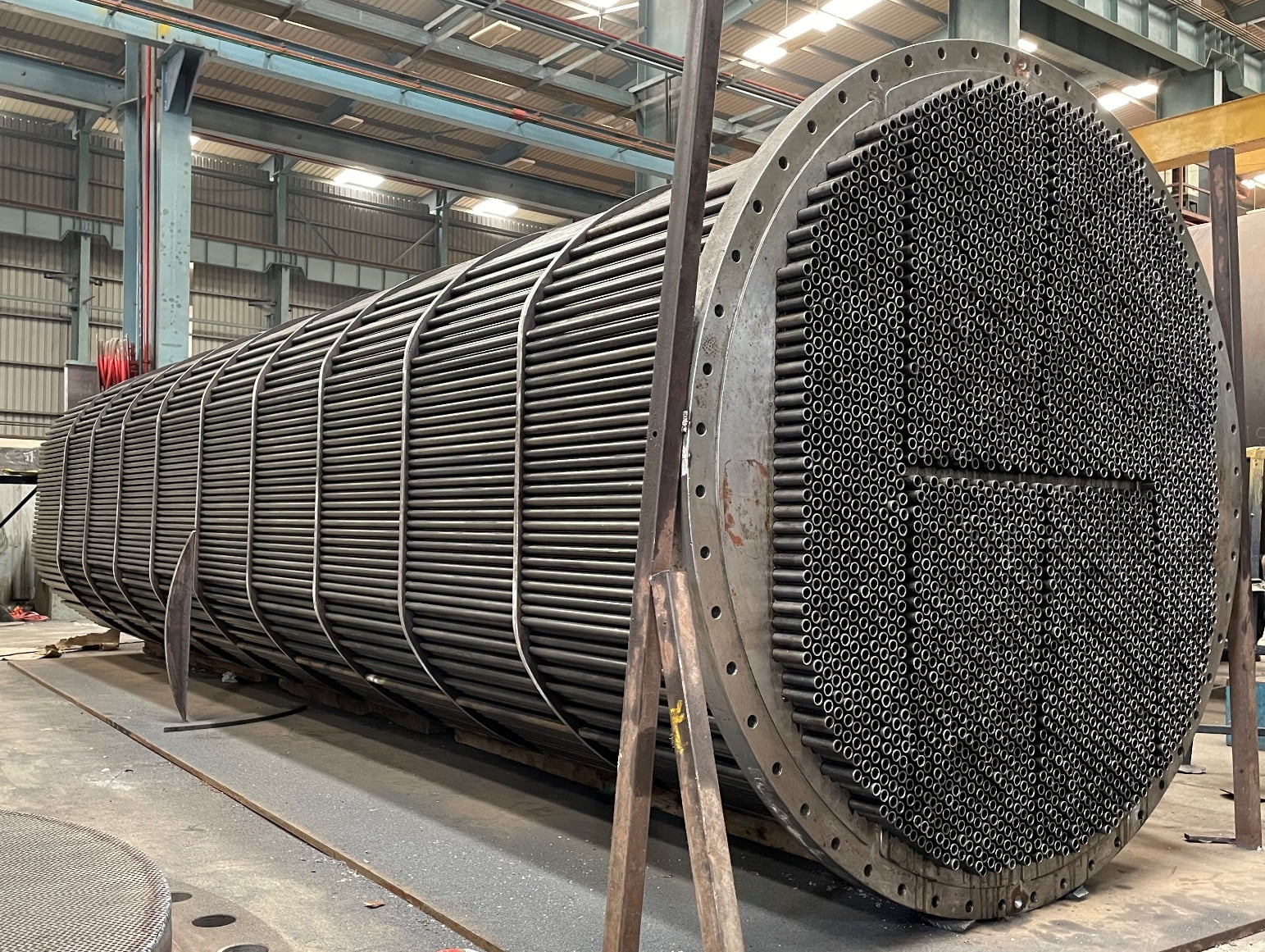
There are several types of heat exchangers, each tailored for specific applications. The most common types include shell and tube, plate-type, and air-cooled heat exchangers. Each type has its benefits and disadvantages based on considerations like space, efficiency, and maintenance requirements. Being aware of the features of each type allows for more informed choices when deciding on a heat exchanger for a distinct project.
These devices play a crucial role in different industries, from HVAC systems to power plants. They are critical for providing thermal comfort in structures and improving the effectiveness of energy production. As industries turn more on sustainability and energy saving, the importance of selecting heat exchanger is on the rise. Comprehending how they work and their uses is the initial step in making an educated choice.
Uses and Advantages
Heat transfer systems are crucial to various industries, serving a wide range of applications that improve operational efficiency and safety. In energy facilities, they assist in the transfer of heat between liquids, playing a key role in both electricity generation and recycling waste heat. In heating, ventilation, and air conditioning systems, heat exchangers are used to control indoor climate, maximizing comfort while lowering energy consumption. Additionally, they are essential in the food and beverage industry, where they ensure proper temperature control for pasteurization and cooling processes.
The benefits of using heat exchangers extend beyond temperature regulation. By enhancing thermal efficiency, they lead to energy savings and lower operating costs. Compact heat exchangers, like plate-type exchangers, can free up valuable space without sacrificing performance, making them perfect for facilities with limited room. Furthermore, advancements in heat exchanger technology encourage more sustainable practices, allowing industries to reduce their carbon footprint by boosting energy efficiency and maximizing resource use.
Upkeep plays a vital role in maximizing the benefits of heat exchangers. Regular checkups and upkeep can avert issues such as fouling, which affects heat transfer efficiency and can lead to costly repairs. Implementing digital monitoring solutions allows for real-time tracking of performance metrics, enabling proactive maintenance and early detection of potential failures. By committing in proper maintenance, industries can ensure the durability and dependability of their heat exchangers, ultimately enhancing overall productivity and sustainability.
Maintenance and Advancement
Adequate maintenance of heat exchangers is essential for guaranteeing their efficiency and longevity. Frequent inspections can help identify typical problems such as fouling, leaks, and corrosion before they escalate into serious issues. Scheduled https://ladefoged-oconnor.blogbright.net/heat-exchange-revolution-advanced-technologies-redefining-efficiency , along with assessing the heat transfer efficiency, can prevent performance degradation. Allocating time and resources into upkeep not only extends the lifespan of the devices but also contributes to energy savings and diminished operational costs.
Innovation in heat exchanger technology is continuously evolving, providing fresh solutions to enhance performance and efficiency. Industry players are increasingly adopting advanced materials and designs, such as compact heat exchangers, to meet the rising demand for energy-efficient systems. The integration of digital monitoring technologies is changing upkeep practices, enabling real-time performance tracking and anticipatory maintenance strategies, which allow for swift interventions based on data-driven insights.
As the need for sustainability increases, the role of advancements in heat exchangers becomes even more crucial. These advancements not only improve energy efficiency but also contribute to lower environmental impacts. By developing heat exchangers that are more efficient and capable of dealing with diverse applications, industries are more prepared to meet regulatory standards and consumer expectations, making it necessary to remain aware about the current trends and technologies in the field.